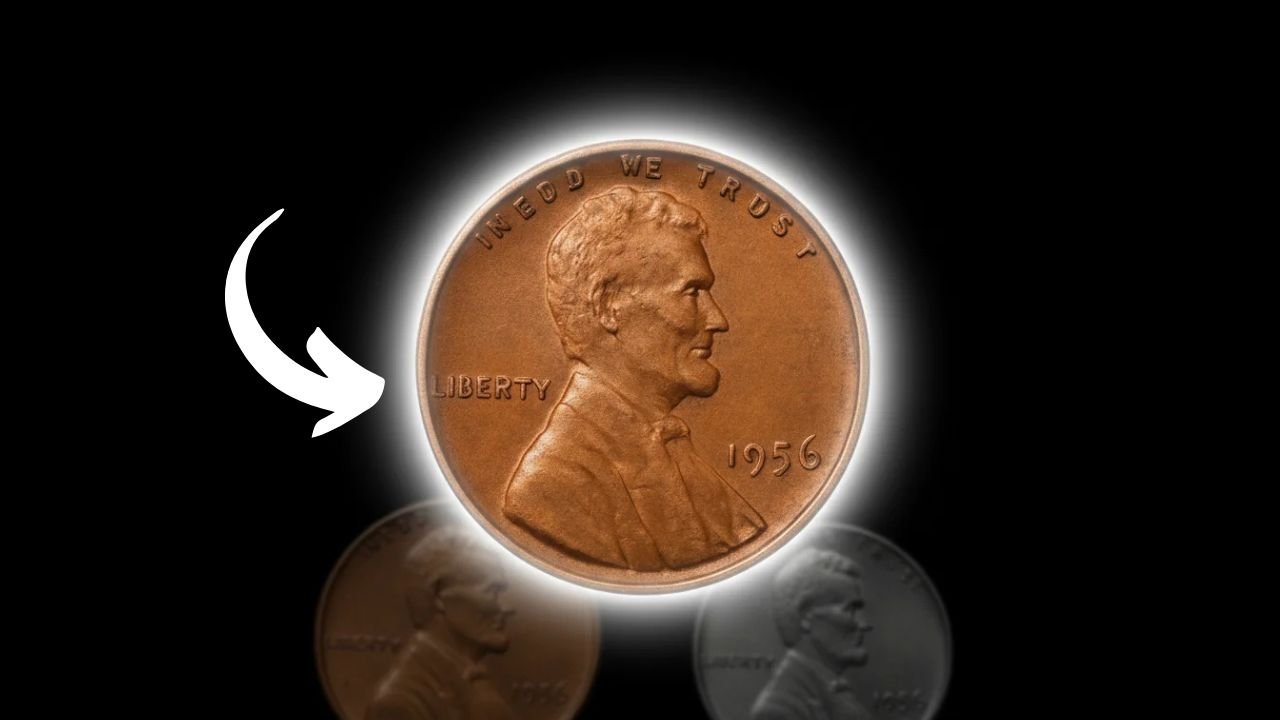
Wheat pennies, minted between 1909 and 1958, have always held a special place in American coin collecting. Over the past decade, their value has climbed steadily due to rising collector interest, increased scarcity, and the discovery of rare varieties hiding in everyday pocket change. For beginners and seasoned collectors alike, the last 10 years have been nothing short of a “dream period” for wheat penny appreciation.
This guide breaks down how their value has changed, which dates have seen the biggest price jumps, and what makes wheat pennies such an exciting treasure to search for today.
Why Wheat Pennies Have Gained Value
Between 2015 and 2025, wheat pennies experienced a surge in demand for several reasons:
1. Growing Popularity of Coin Collecting
Coin collecting has exploded thanks to online markets, social media, and a renewed interest in American history. More collectors means higher demand — especially for classic coins like wheat pennies.
2. Limited Supply
Although millions were minted, fewer remain in circulation each year. Many were lost, damaged, or kept in private collections. This natural reduction increases scarcity and value.
3. Increased Awareness of Rare Errors
People now understand that certain wheat penny errors — such as doubled dies, off-center strikes, or repunched mint marks — can be extremely valuable.
4. Rising Precious Metal Interest
When metal prices go up, older copper coins gain more attention. Wheat pennies are 95% copper, giving them intrinsic value even in worn condition.
How Wheat Penny Values Have Changed (2015–2025)
Here is an overview of how wheat penny prices have grown over the past decade:

● Common Circulated Wheat Pennies
-
2015: 5–10 cents each
-
2020: 10–20 cents each
-
2025: 15–40 cents each
Even the most common dates have roughly doubled or tripled in value.
● Better Date Pennies
Coins like 1914-D, 1922 No-D, or 1931-S have seen major jumps:
-
2015: $50–$75 (for lower grades)
-
2025: $100–$150+
High-grade examples have increased even more dramatically.
● Key Rarities
Key dates now command strong premiums:
-
1909-S VDB
-
1914-D
-
1922 Plain (No D)
-
1955 Doubled Die
Their prices have increased 30–70% depending on grade.
● Error & Variety Pennies
These have seen the biggest surge, with some rare pieces selling for thousands more than they did a decade ago. Collectors love unique errors, and competition for these coins has driven values skyward.
The Most Valuable Wheat Pennies Today
While hundreds of dates exist, the following remain the top performers:

1. 1909-S VDB
The most famous wheat penny, with values reaching hundreds to thousands of dollars depending on grade.
2. 1914-D
Scarce, especially in higher grades, and consistently rising over the last decade.
3. 1922 No-D
A fascinating error with demand from both collectors and historians.
4. 1955 Doubled Die
The king of error pennies — dramatic doubling makes it instantly recognizable and extremely valuable.
5. Uncirculated Rolls
Original bank-wrapped rolls of wheat pennies now bring strong premiums as collectors look for high-grade examples.
Why Wheat Pennies Are a Dream for Collectors
Collectors love wheat pennies because:
-
They are inexpensive to start with
-
Rare varieties can be worth thousands

-
They connect directly to early American history
-
They are still found in circulation today
-
The thrill of discovering a valuable coin never gets old
Even beginners with a small budget can build a meaningful collection.
Tips for New Collectors (2025 and Beyond)
Here’s how to make the most of the wheat penny boom:
-
Learn key dates — especially 1909-S, 1914-D, and 1922 No-D
-
Check rolls and jars — treasures often hide in old collections
-
Inspect coins carefully under a magnifier

-
Store coins properly to maintain long-term value
-
Buy from reliable sellers when purchasing rare pieces
Conclusion
The last 10 years have been extraordinary for wheat pennies. With rising demand, increased awareness of rare varieties, and growing collector interest, their values continue to climb. Whether you’re hunting through pocket change or building a professional collection, wheat pennies offer excitement, history, and real potential for profit.