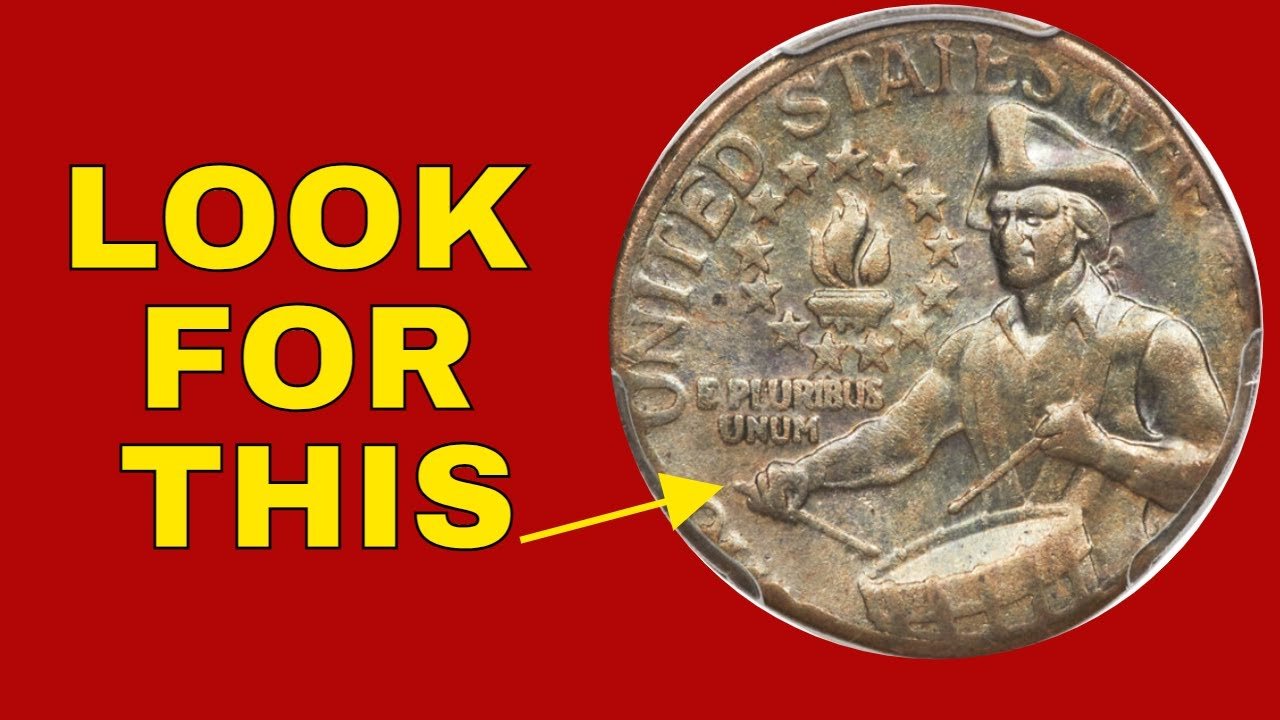
The Bicentennial Quarter is one of the most iconic coins ever produced by the United States Mint. Released in 1975 and 1976 to celebrate America’s 200th birthday, the coin instantly became a favorite among collectors and everyday citizens. But in recent years, rumors and viral stories have circulated about a “rare Bicentennial Quarter worth $2.5 billion.”
While no coin has ever officially sold for such an astronomical figure, the story has sparked massive interest, leading millions of Americans to check their pocket change. Even though the $2.5 billion value is not real, the truth is that certain Bicentennial Quarters are extremely valuable, especially rare varieties, error strikes, and high-grade condition coins.
This guide explains the origins of the myth, the real valuable versions of the coin, and how you can check if your Bicentennial Quarter is worth far more than face value.
Why the Bicentennial Quarter Became So Popular
Unlike standard quarters, the Bicentennial edition features:
-
A special reverse design with a Colonial drummer
-
Dual date “1776–1976”
-
Mintmarks from Philadelphia (no mark), Denver (D), or San Francisco (S)
More than 1.6 billion Bicentennial Quarters were minted, making most of them common. However, a small number of special strikes were produced in 40% silver, and even fewer contain mint errors or pristine preservation — these are the coins that attract collectors and high auction interest.

Where the $2.5 Billion Rumor Started
The viral claim about a $2.5 billion Bicentennial Quarter originated from social media content and speculative discussions, not from any verified numismatic source or auction record.
However, its popularity comes from the fact that rare coins have indeed sold for millions, such as:
-
1933 Double Eagle – $18.9 million
-
1794 Flowing Hair Dollar – $10 million
This made the public curious about whether common-looking pocket change could also be worth a fortune.
Although no Bicentennial Quarter is valued anywhere near $2.5 billion, some rare types have reached tens of thousands of dollars at major auctions.
Bicentennial Quarters That Are Valuable
1. 40% Silver Bicentennial Quarters
Minted only in San Francisco (“S”), these were packaged in collector sets.
-
Uncirculated silver examples: $10–$40
-
Proof silver examples in perfect grade (PR70): up to $1,000+
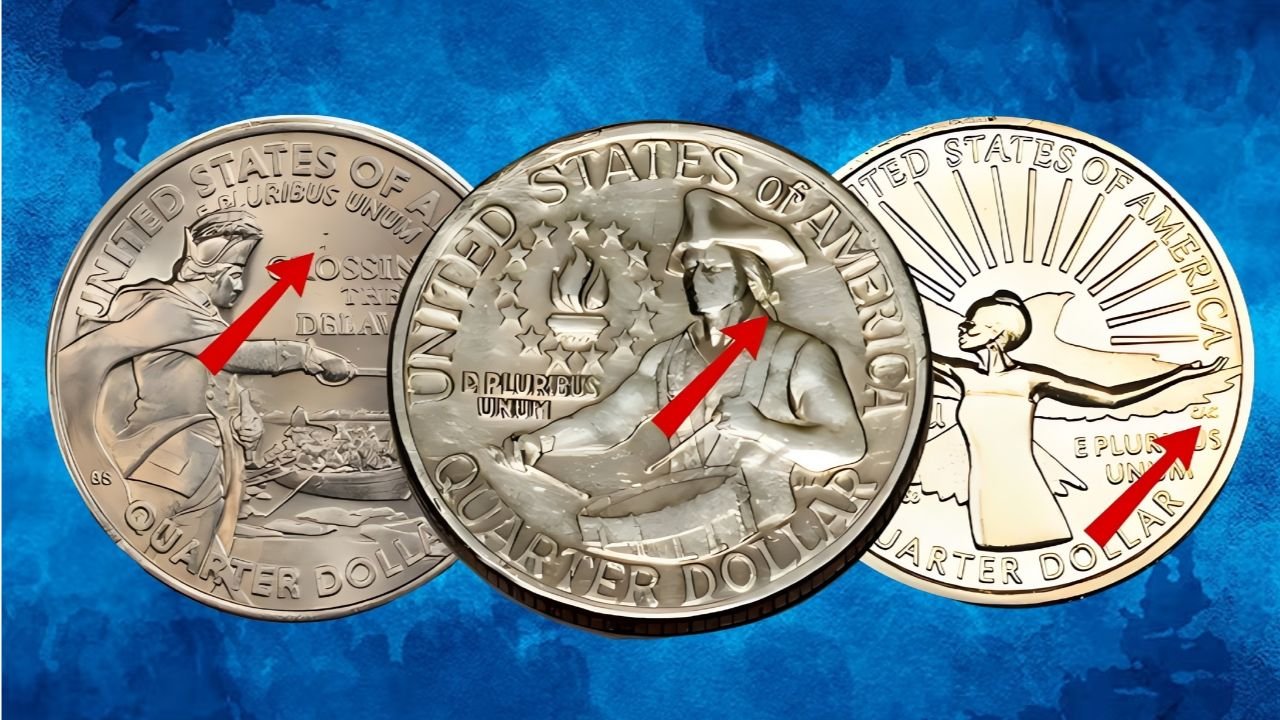
2. Double Die Error Quarters
These coins show visible doubling in the date, letters, or drummer design.
Depending on severity and condition: $500 to $5,000+
3. Off-Center Strikes
Some coins were struck incorrectly, leaving blank areas on the surface.
-
Minor off-center (5–10%): $50–$150
-
Major off-center (40–60%): $1,000–$3,000+
4. High-Grade Mint State Coins (MS67–MS69)
Coins that look brand-new and have never been circulated can be extremely valuable because so few survived in perfect condition.
-
MS67: $500–$1,200
-
MS68: $3,000–$7,000+

5. Missing Clad Layer Error
A rare error where one metal layer is missing.
-
Typical value: $2,000–$5,000
How to Check If Your Bicentennial Quarter Is Valuable
You can inspect your coin with the following checklist:
-
Does it have an “S” mintmark?
Could be a silver or proof coin. -
Is the coin extremely shiny and scratch-free?
High-grade coins are valuable. -
Are there unusual shapes, blank areas, or doubled letters?
These may be error coins. -
Does the coin feel heavier?
Silver versions weigh more (5.75 grams vs. 5.67 grams).
If you think you have a rare piece, consult a coin grading service like NGC or PCGS.
Should You Search Your Pocket Change?
Absolutely. Even though the billion-dollar story is a myth, valuable Bicentennial Quarters do exist, and many are still in circulation today. Every year, everyday Americans discover coins worth hundreds or even thousands of dollars.
FAQs – Valuable Bicentennial Quarters
1. Is the $2.5 billion Bicentennial Quarter real?
No. There is no verified sale or official valuation of $2.5 billion. The story is only a viral rumor.
2. Can Bicentennial Quarters be valuable?
Yes — especially silver versions, high-grade coins, and mint errors. Some are worth thousands of dollars.
3. How do I know if I have a silver Bicentennial Quarter?
Look for the “S” mintmark and test the weight (silver coins are slightly heavier).
4. Are Bicentennial Quarters still in circulation?

Yes. While many were saved by collectors, millions remain in everyday circulation.
5. What’s the highest price ever paid for a Bicentennial Quarter?
High-grade and error examples have sold for over $10,000, depending on condition and rarity.