
The Lincoln Wheat Cent, minted from 1909 to 1958, is one of the most collected U.S. coins in history. Recognizable by the two wheat ears on the reverse, these pennies hold sentimental value and, in many cases, real monetary value far above face value. Whether found in old jars, pocket change, or inherited collections, Wheat Pennies can range from a few cents to thousands of dollars.
This complete guide breaks down their history, key dates, mint marks, varieties, rare errors, and the most valuable Wheat Pennies collectors search for today.
The Kennedy Half Dollar Valued at $5.9 Million, Still in Circulation
History of the Wheat Penny
Introduced in 1909, the Lincoln Wheat Penny marked:
-
The first U.S. coin featuring a real person (Abraham Lincoln)
-
A major design shift for the cent
-
The opening of a 50-year design era lasting until 1958
The reverse shows two wheat stalks framing the denomination — a simple yet iconic design loved by collectors.
Factors That Affect Wheat Penny Value
Several elements influence a Wheat Penny’s price:
1. Date and Mint Mark
Key rarity indicators. Coins from:

-
San Francisco (S)
-
Denver (D)
-
Philadelphia (no mint mark)
…have widely varying mintages.
2. Condition (Grade)
Higher-grade coins fetch significantly more:
-
Good (G)
-
Fine (F)
-
Extremely Fine (XF/EF)
-
Mint State (MS)
3. Rarity
Low-mintage years and scarce varieties are more valuable.
4. Errors & Varieties
Major doubled dies, repunched mint marks, and planchet errors can drastically increase value.
Wheat Penny Values by Era
Early Years (1909–1919): High Demand & Key Dates
These early pennies have strong collector demand and several rare, expensive dates.
Top Key Dates:
-
1909-S VDB – A legendary rarity; only 484,000 minted
- Typical value: $700–$1,800+
-
1909-S (No VDB)
- Value: $100–$275+
-
1914-D
- Value: $200–$2,500+ depending on grade
-
1917 Double Die Obverse
- Value: $200–$3,000
1920–1939: The Mid-Era Wheat Pennies
Although more common, this era includes a famous rarity and desirable semi-key dates.
Important Dates:
-
1922 No D (Weak D)
- Value: $500–$15,000 depending on strike clarity
-
1924-D
- Value: $30–$600
-
1931-S (Low mintage)
- Value: $70–$300+
General Values:
Most mid-era pennies in circulated condition are worth 5¢–$2.
1940–1958: The Modern Wheat Penny Years
These years saw massive production — most Wheat Pennies from this period are common.

However, a few are exceptions.
Notable Varieties:
-
1943 Steel Penny (War emergency issue)
- Value: 10¢–$5 in circulated condition
-
1943 Bronze Penny (extremely rare error)
- Value: $100,000–$1,000,000+
-
1955 Double Die Obverse
- Value: $1,000–$25,000+
General Values:
Most circulated Wheat Pennies from this era are worth 3¢–20¢.
Most Valuable Wheat Pennies of All Time
1. 1909-S VDB
-
The most famous key date.
-
Value: $700–$1,800+ (higher for MS grades)
2. 1914-D
-
Very low survival rate in higher grades.
-
Value: $200–$2,500+
3. 1922 No Mint Mark (No D)
-
An important error variety.
-
Value: $500–$15,000
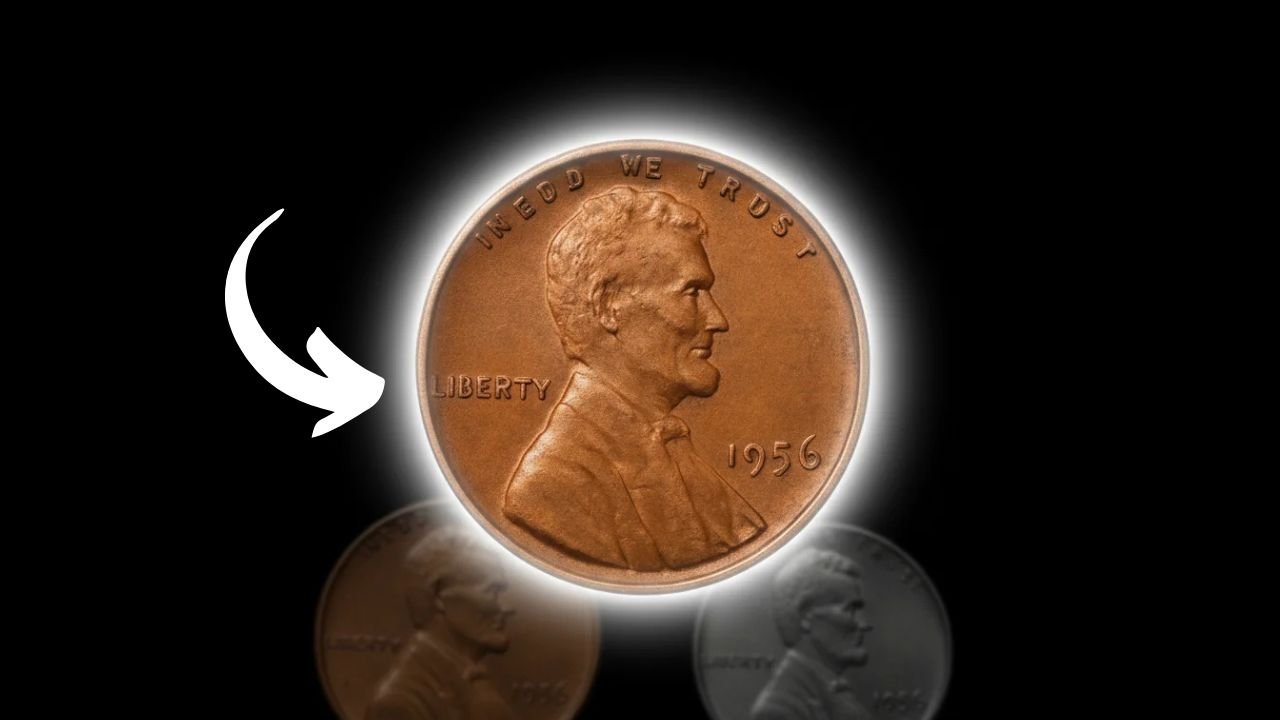
4. 1955 Double Die Obverse
-
One of the most dramatic doubled dies in U.S. history.
-
Value: $1,000–$25,000+
5. 1943 Bronze Penny
-
Accidental mint error.
-
Value: $100,000–$1,000,000+
Popular Wheat Penny Errors to Look For
Doubled Dies (1955, 1917, 1936)
Sharp doubling on LIBERTY or the date
Value: $50–$25,000
Repunched Mint Marks (RPMs)
Extra impressions on S or D mint marks
Value: $5–$100+
Clipped Planchets
Missing metal on the rim
Value: $10–$50
Off-Center Strikes
Misaligned dies
Value: $20–$250
How to Tell if Your Wheat Penny Is Valuable
Collectors examine:
1. Check the Date & Mint Mark
The quickest way to spot key and semi-key issues.
2. Look for Errors
Use a magnifying glass to inspect the date, lettering, and rims.

3. Check Condition
Higher-grade coins often multiply in value.
4. Weigh Bronze vs. Steel (for 1943)
A 1943 bronze penny weighs more (3.11g vs. 2.7g steel).
Tips for New Collectors
-
Store coins in holders to prevent damage
-
Avoid cleaning coins — it destroys value
-
When unsure, consider a professional grading service
-
Check estate sales, rolls of pennies, flea markets, or inherited collections
Conclusion
Wheat Pennies remain one of the most enjoyable and rewarding U.S. coins to collect. With values ranging from a few cents to hundreds of thousands of dollars, they offer something for beginners and advanced collectors alike. Understanding key dates, errors, and grade differences can turn everyday finds into valuable treasures and help you build a meaningful collection that grows in value through the years.